


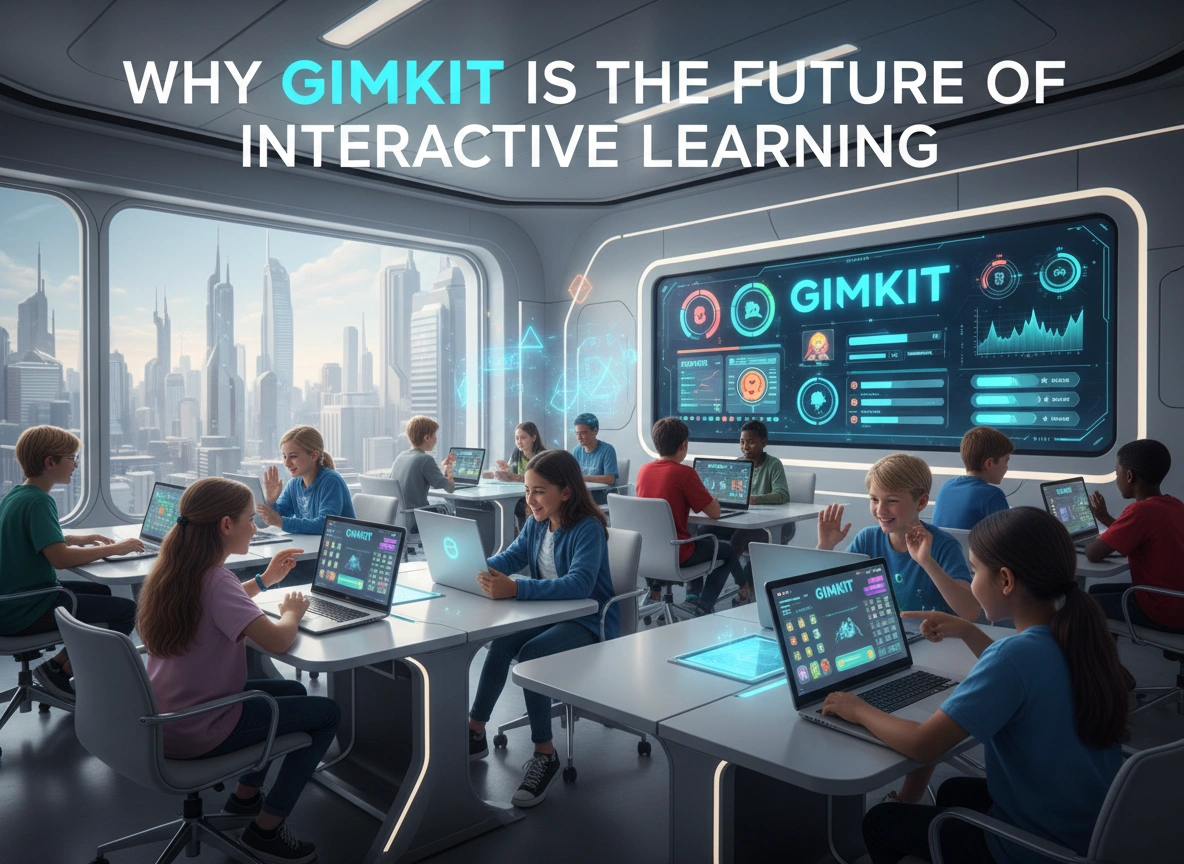
The landscape of education is continuously evolving, with technology playing a pivotal role in shaping how students learn and teachers instruct. Digital tools have moved from being a novelty to an essential component of the modern classroom. Among the wave of educational platforms, Gimkit stands out as a powerful force for change. It masterfully blends game-based learning with curriculum content, creating an environment where student engagement and knowledge retention soar. This article explores why Gimkit is more than just a game; it is a glimpse into the future of interactive learning.
What Makes Gimkit Different?
At its core, Gimkit is a game show for the classroom that requires knowledge, collaboration, and strategy to win. While other platforms use gamification, Gimkit’s approach is unique. It was created by a high school student, Josh Feinsil, who understood firsthand the need for a more engaging alternative to traditional review sessions. This student-centric origin is evident in its design, which prioritizes fun and replayability without sacrificing educational value.
Instead of simply answering questions for points, students earn in-game currency. This currency can be used to purchase upgrades and power-ups, introducing a layer of strategy that keeps students invested. They can choose to spend their money on items that boost their own score or on powers that affect their classmates, adding a friendly competitive element. This economic system transforms a standard quiz into a dynamic and strategic experience.
Key Features Fueling Engagement
Gimkit’s feature set is designed to maximize student participation and make learning feel like play.
- Live Game Modes: The platform offers a variety of live game modes like “Classic,” “Trust No One,” and “The Floor is Lava.” Each mode has different rules and objectives, preventing monotony and catering to diverse student preferences. For example, “Trust No One” introduces a social deduction element similar to popular games like Among Us, requiring students to use critical thinking and communication skills.
- Assignments for Independent Practice: Learning doesn’t stop when the bell rings. Gimkit allows teachers to assign “kits” as homework. This feature provides students with a structured way to review material at their own pace, with built-in repetition to reinforce concepts they struggle with.
- KitCollab for Student Creation: One of Gimkit’s most innovative features is KitCollab. This allows students to contribute to the creation of the question set, or “kit.” Each student can submit questions, which the teacher then approves. This shifts students from passive consumers of content to active creators, fostering a deeper understanding of the material as they formulate questions and correct answers.
- Continuous Updates and New Modes: The Gimkit team consistently releases new game modes and updates, often inspired by popular trends in gaming and culture. This ensures the platform remains fresh and exciting for students who are accustomed to the rapid evolution of digital entertainment.
The Impact on Student Engagement and Learning
The primary benefit of Gimkit is its profound impact on student engagement. Traditional review methods, such as worksheets or flashcards, can often feel tedious. Gimkit transforms this process into an event that students genuinely look forward to. The excitement in a classroom during a Gimkit game is palpable. Students are not just passively recalling information; they are actively competing, strategizing, and collaborating.
This high level of engagement directly translates to improved learning outcomes. When students are invested in the activity, they are more likely to absorb and retain information. The strategic element forces them to think critically. Should they save their money for a bigger upgrade or spend it now for a small advantage? This decision-making process runs parallel to the academic task of answering questions, engaging multiple parts of the brain.
Furthermore, the platform’s design helps reduce test anxiety. By framing assessment as a game, Gimkit lowers the stakes and creates a more relaxed environment. Students who might freeze up during a formal quiz often thrive in the fast-paced, low-pressure atmosphere of a Gimkit match. They see their mistakes not as failures, but as opportunities to learn and improve their strategy for the next round.
A Powerful Tool for Educators
Gimkit is not just beneficial for students; it offers significant advantages for teachers as well. The platform streamlines the process of creating and administering assessments, saving valuable time and effort.
Ease of Use and Customization
Creating a kit is a straightforward process. Teachers can write their own questions, import existing question sets from platforms like Quizlet, or use Gimkit’s search feature to find kits created by other educators. This flexibility allows teachers to quickly prepare a game tailored to their specific lesson plan.
During a live game, teachers have access to a dashboard that provides real-time insights into student performance. They can see which questions are causing the most trouble for the class as a whole, allowing them to identify areas that may require further instruction. After the game, detailed reports provide a breakdown of individual and class-wide performance, offering valuable data for formative assessment. This data can inform future lesson planning and help teachers provide targeted support to students who need it most.
Differentiating Instruction
The platform also serves as an excellent tool for differentiated instruction. In game modes like “Classic,” students work at their own pace. Those who are quick to answer can continue to earn and strategize, while those who need more time can proceed without the pressure of a ticking clock for each question. The assignment feature further supports differentiation by allowing students to master content independently.
Gimkit in the Classroom: Real-World Applications
The versatility of Gimkit allows it to be integrated into any subject area.
- In a high school history class, a teacher could use “Trust No One” to review key figures of the Cold War, with “impostors” trying to sabotage the group’s efforts.
- A middle school science teacher might use KitCollab to have students create a review kit for an upcoming unit test on the solar system, encouraging peer-to-peer learning.
- An elementary school teacher could use a “Classic” game to practice multiplication tables, turning rote memorization into a fun and competitive race.
- A foreign language teacher can use Gimkit to review vocabulary, with the fast-paced nature of the game encouraging quick recall of terms.
The possibilities are limited only by the teacher’s creativity. The platform’s ability to adapt to different content and grade levels is a key reason for its widespread adoption.
Looking Ahead: The Future of Interactive Education
Gimkit represents a significant step forward in educational technology. Its success highlights a fundamental shift in how we should approach learning in the digital age. It proves that education and entertainment are not mutually exclusive. By leveraging the mechanics that make video games so compelling—strategy, progression, rewards, and social interaction—Gimkit creates a learning experience that is both effective and enjoyable.
As technology continues to advance, we can expect to see more tools that follow Gimkit’s lead. The future of interactive learning will likely involve even greater personalization, with AI-driven platforms that adapt in real-time to a student’s individual learning style and pace. We may see more integration of virtual and augmented reality, creating even more immersive educational games.
However, the core principles that make Gimkit successful will remain timeless. The future of education lies in empowering students, fostering collaboration, and making learning an active, engaging process. Gimkit is not just a tool for today’s classroom; it is a model for the future of interactive learning, demonstrating that when students are having fun, the learning naturally follows.
